
 By admin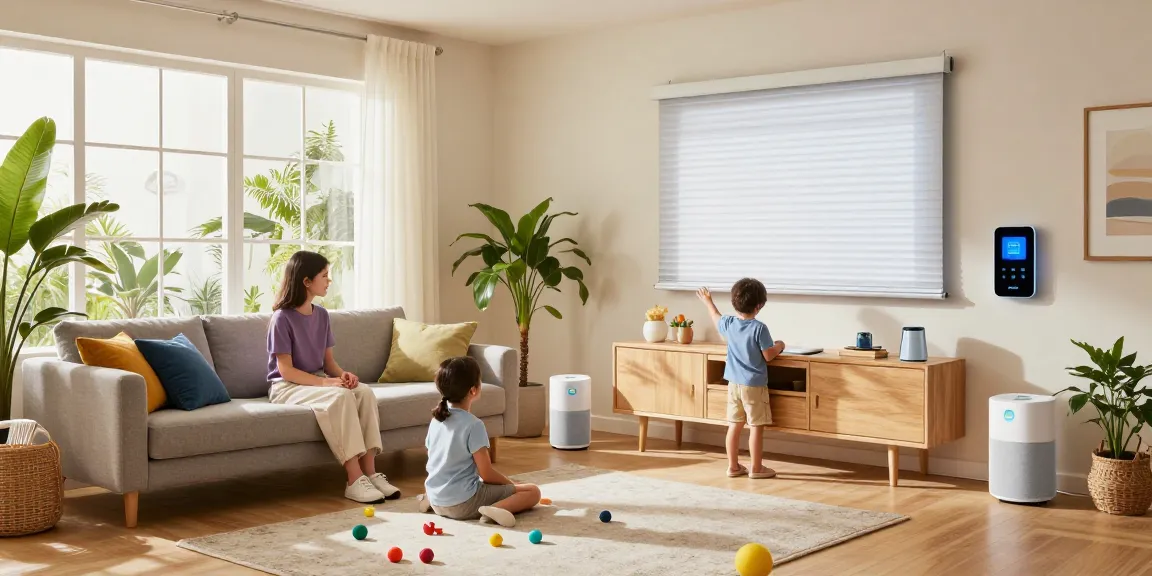
Understanding IKEA Smart Home Technology
In recent years, the concept of a smart home has gained significant traction, catering to the growing demand for convenience, security, and energy efficiency. Among the key players in this arena, IKEA has emerged as a formidable contender with its innovative solutions that blend functionality with affordability. With the introduction of its smart home range, IKEA is making strides toward revolutionizing how we interact with our living spaces. By harnessing the power of technology, IKEA aims not only to enhance everyday living but also to create a seamless and intuitive user experience. When exploring options, IKEA smart home provides comprehensive insights into the latest advancements and products tailored for modern households. This article delves into the essential aspects of IKEA’s smart home technology, its standout features, and how it is positioned for growth in 2026.
What is IKEA Smart Home?
IKEA Smart Home encompasses a range of interconnected devices designed to automate and enhance various aspects of daily living. The ecosystem includes smart lighting solutions, speakers, blinds, and sensors that can be easily integrated into existing home setups. Central to this system is the IKEA Home smart app, which allows users to control all connected devices from a single platform. The app’s user-friendly interface is designed to make setup and management straightforward, catering to both tech enthusiasts and novices alike.
Key Features and Benefits of IKEA Smart Home
The appeal of IKEA’s smart home solutions lies not only in their affordability but also in their thoughtful design and functionality. Here are some key features:
- Affordability: IKEA aims to provide cost-effective products that do not compromise on quality.
- Interconnectivity: Devices work seamlessly together, allowing for automation and custom routines.
- Easy Integration: Products are designed to be user-friendly, making installation and setup a breeze.
- Sustainability: Many products focus on energy efficiency, helping users reduce their carbon footprint.
- Design Aesthetic: True to IKEA’s roots, smart home products are stylish and fit well into modern home decor.
How IKEA Smart Home Stands Out in 2026
As we look into the future, IKEA’s commitment to enhancing its smart home ecosystem is evident. The company has invested significantly in developing products that are compatible with the Matter protocol, ensuring interoperability with various smart devices across different brands. This positions IKEA as a pioneer in the smart home market, enabling users to expand their ecosystems without being locked into a single brand. Furthermore, the company’s emphasis on sustainability aligns with the growing consumer demand for eco-friendly solutions, making its offerings even more attractive in 2026.
Getting Started with IKEA Smart Home
Essential Products for Your IKEA Smart Home Setup
A successful smart home begins with fundamental devices that can automate your living environment. Key products to consider include:
- Smart Lighting: Adjustable LED bulbs that can be controlled remotely.
- Smart Speakers: Devices that allow for voice control and music streaming.
- Smart Blinds: Automated shades that can improve energy efficiency.
- Motion Sensors: Devices that detect movement to enhance security.
- Smart Hub: The DIRIGERA hub connects and manages all your devices.
Steps to Install and Configure Your IKEA Devices
Installing your IKEA smart home products is designed to be straightforward. Follow these steps:
- Unbox and position your smart devices in their intended locations.
- Download the IKEA Home smart app from your app store.
- Follow the in-app instructions to connect each device to your home Wi-Fi network.
- Customize settings and create routines according to your preferences.
- Test each device to ensure it operates correctly within the app.
Common Installation Issues and Troubleshooting Tips
Even with IKEA’s commitment to ease of use, some users may encounter challenges during installation. Here are common issues and corresponding troubleshooting tips:
- Wi-Fi Connectivity: Ensure your router is compatible with the devices and check for strong signal strength.
- Device Setup Failure: Restart the app and the device, ensuring both are updated with the latest firmware.
- Non-Responsive Devices: Often, simply resetting the device can resolve the issue.
Enhancing Your Lifestyle with IKEA Smart Home
Automating Daily Routines with Smart Lighting
One of the most significant benefits of IKEA’s smart home technology is its ability to automate daily routines. For example, you can set your smart lights to brighten gradually in the morning, helping you wake up naturally. Similarly, you can create scenes for different activities — movie night, reading, or dinner parties — all at the touch of a button or through a voice command.
Integrating Family Activities through Smart Speakers
Smart speakers play a pivotal role in family engagement. By linking your IKEA speakers with music services, you can effortlessly share music with family or listen to podcasts together. Additionally, utilizing voice commands allows family members to manage the home environment without interruption, leading to a more harmonious living space.
Using Smart Blinds for Energy Efficiency
Smart blinds are an effective way to enhance your home’s energy efficiency. By scheduling them to open and close at specific times, you can maintain comfortable temperatures indoors, reducing reliance on heating and cooling systems. This not only saves money on energy bills but also contributes to a more sustainable lifestyle.
Expanding Your IKEA Smart Home Ecosystem
Add-on Devices and Accessories for Enhanced Functionality
As your familiarity with IKEA’s smart home products grows, you may wish to enhance your setup with additional devices. Consider adding:
- Smart Cameras: For enhanced security and monitoring of your property.
- Smart Thermostat: To further optimize energy usage within your home.
- Smart Plugs: These allow you to control standard appliances and lamps remotely.
Integrating Third-Party Devices with IKEA Smart Home
IKEA’s forward compatibility with the Matter protocol means it can integrate well with many third-party devices. This flexibility allows users to expand their smart home ecosystems with products from various manufacturers, ensuring you have a tailored solution that meets your unique needs.
Future-Proofing Your Smart Home Investments
As technology evolves, keeping your smart home devices up-to-date is crucial. Regularly check for firmware updates through the IKEA Home smart app to ensure compatibility with new features and security enhancements. Investing in devices that support emerging standards, like Matter, will also help safeguard your investments against obsolescence.
Exploring Future Trends in Smart Home Technology
Emerging Technologies that Will Shape Smart Homes
The smart home landscape is rapidly evolving, driven by advancements in artificial intelligence, machine learning, and IoT (Internet of Things). Future trends to watch include:
- Enhanced Voice Control: As voice assistants become more sophisticated, expect more natural interactions with your home.
- AI-Powered Automation: Systems that learn from user behavior to optimize energy use and improve convenience.
- Advanced Security Features: Continued focus on surveillance and risk management will help set consumer minds at ease.
IKEA’s Vision for Sustainable Smart Living
As sustainability becomes increasingly important to consumers, IKEA is committed to aligning its practices with these values. From sourcing energy-efficient products to encouraging recycling through its take-back programs, IKEA’s vision for a sustainable future will be integral to its smart home offerings.
Predictions for IKEA Smart Home Innovations in 2027
Looking ahead, we can anticipate even more innovative products from IKEA’s smart home line by 2027. Potential advancements may include:
- Smart appliances that communicate with each other to optimize daily tasks.
- More sophisticated smart hubs capable of providing seamless integration across all home devices.
- Virtual reality interfaces for controlling home systems in an immersive way.
