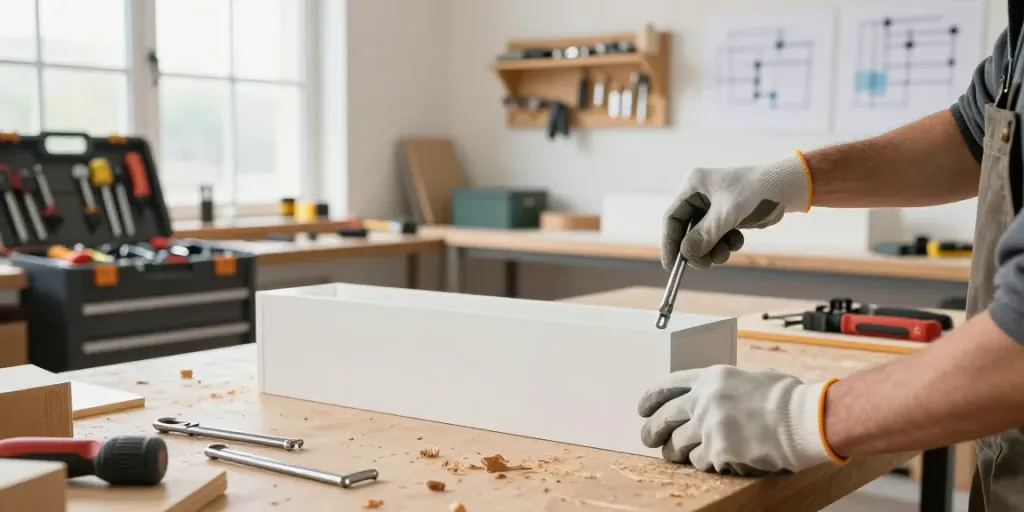
Understanding Allen Keys: The Basics
Allen keys, also known as hex keys or Allen wrenches, are indispensable tools for both professionals and DIY enthusiasts. These L-shaped tools are designed to drive screws and bolts with a hexagonal socket, making them essential for a variety of applications ranging from furniture assembly to automotive repairs. In this article, we will delve deeper into the different types of allen keys, their uses, and why selecting the right one is crucial for the success of your project. When exploring options, allen keys can be found in various sizes and materials to fit your specific needs.
What are Allen Keys and Their Uses?
Allen keys are simple yet versatile tools often used in various industries, including construction, automotive, and electronics. Their primary function is to tighten or loosen fasteners that have hexagonal sockets, which provides a secure grip and prevents slippage. This feature makes them ideal for working with equipment that requires a strong torque application.
Types of Allen Keys: Metric vs. SAE
There are two main types of allen keys based on measurement systems: metric and SAE (Society of Automotive Engineers). Metric allen keys are measured in millimeters (mm) and are commonly used in European and Asian applications. On the other hand, SAE allen keys are measured in inches and are prevalent in North American settings. It's crucial to choose the correct type to ensure a proper fit and optimal performance.
Choosing the Right Size Allen Key for Your Project
Selecting the right size allen key is vital for effective fastening. Allen keys typically come in various sizes, often organized in sets. To ascertain the correct size, you can measure the diameter of the hexagon socket or use a size gauge. Having a variety of sizes on hand will not only save time but also enhance the efficiency of your work.
Essential Features of Quality Allen Keys
Investing in high-quality allen keys can significantly impact your project's outcome. Here are essential features to consider when selecting your tools:
Material Matters: Why Stainless Steel?
Stainless steel is a popular material for manufacturing allen keys due to its durability and resistance to corrosion. Unlike cheaper alternatives, stainless steel keys maintain their shape and strength over time, making them ideal for prolonged use. Additionally, they are less likely to rust, which is crucial in humid or wet conditions.
Design Considerations for Optimal Performance
The design of an allen key can affect its performance. Features such as ball-end tips, which allow for more flexibility when working in tight spaces, can enhance usability. Furthermore, a well-engineered design ensures a snug fit in the socket, minimizing the risk of stripping the fastener.
Ergonomics: How Comfort Impacts Use
One often overlooked aspect of allen keys is ergonomics. Tools that are comfortable to hold can prevent hand fatigue, especially during prolonged use. Look for keys with rubberized grips or those that are designed to fit the contours of your hand, enhancing both comfort and control.
Common Applications of Allen Keys in DIY Projects
Allen keys are not just for professionals; they play a significant role in many DIY projects. Here are some common areas where they come in handy:
Furniture Assembly: Techniques and Tips
Many furniture pieces today, especially those that are flat-packed, require allen keys for assembly. It's crucial to follow the manufacturer's instructions carefully when assembling your furniture. Using the right size allen key will ensure that you can tighten screws without damaging the materials, leading to greater stability and longevity.
Automotive Repairs: Using Allen Keys Effectively
In automotive repairs, allen keys are vital for accessing certain components. For instance, many vehicles use hex socket bolts for attaching parts like the steering column and brake components. Knowing how to properly use an allen key in these contexts can make repairs more efficient and successful.
Electronics Assembly: Precision Fastening
In electronics, precision is key. Many electronic devices use screws that require allen keys for assembly. A precise fit ensures that the electronics are secured properly, preventing issues due to loose components. Always ensure that you are using the correct tool to avoid damaging sensitive parts.
Maintaining and Care for Your Allen Keys
To ensure the longevity of your allen keys, proper maintenance is essential. Here are some best practices:
Best Practices for Cleaning and Storing
After use, always clean your allen keys to remove dirt and grease. A simple wipe with a cloth should suffice. Storing them in a dedicated toolbox or magnetic holder can prevent them from getting lost or damaged.
Longevity: How to Prevent Wear and Tear
Avoid using the wrong size allen key for a fastener, as this can lead to stripping and damage. Additionally, store your tools in a dry place to prevent rust and deterioration.
Identifying When to Replace Your Allen Keys
It's important to know when your allen keys need replacement. Signs include visible wear, such as rounded edges or a loose fit in the fastener socket. Investing in new keys can significantly improve your efficiency and effectiveness in any project.
Future Trends: Allen Keys in 2026 and Beyond
As we move forward, it's interesting to speculate on the future of allen keys and their design.
Innovations in Allen Key Design and Material
The ongoing development in materials may lead to even more robust and lightweight designs. New alloys and coatings could provide enhanced performance, allowing for better torque application without the risk of breaking.
Integrating Technology: Smart Tools on the Rise
With the rise of smart technology, we may see advancements like integrated torque sensors in allen keys that can inform users when they have reached the correct tightness. This technology could prevent over-tightening, which is a common issue in many applications.
The Emergence of Customizable Tool Sets
Customizable tool sets that allow users to select specific sizes and designs could become more prevalent. This flexibility would cater to the diverse needs of users across various industries, ensuring that everyone has access to the right tools for their tasks.
Why is it called an Allen key?
The name "Allen key" comes from the Allen Manufacturing Company, which patented the hex socket screw design in the early 1900s. This made the tool synonymous with their products, leading to its widespread use and recognition.
Are Allen keys and hex keys the same?
Yes, allen keys and hex keys are essentially the same tools; the term "allen key" is commonly used in English-speaking countries, while "hex key" is used in more technical contexts.
What is an Allen key?
An allen key is an L-shaped tool used to drive screws and bolts with a hexagonal socket. It's available in various sizes and is essential for many mechanical and assembly tasks.
What are the two different types of Allen keys?
The two main types are metric and SAE (Society of Automotive Engineers). Metric keys are measured in millimeters, while SAE keys are measured in inches.
How do I choose the right size Allen key?
To choose the right size, measure the diameter of the hex socket or use a size gauge. For more information, Mister Worker offers valuable insights. Having a comprehensive set will prepare you for any project that requires these essential tools.